
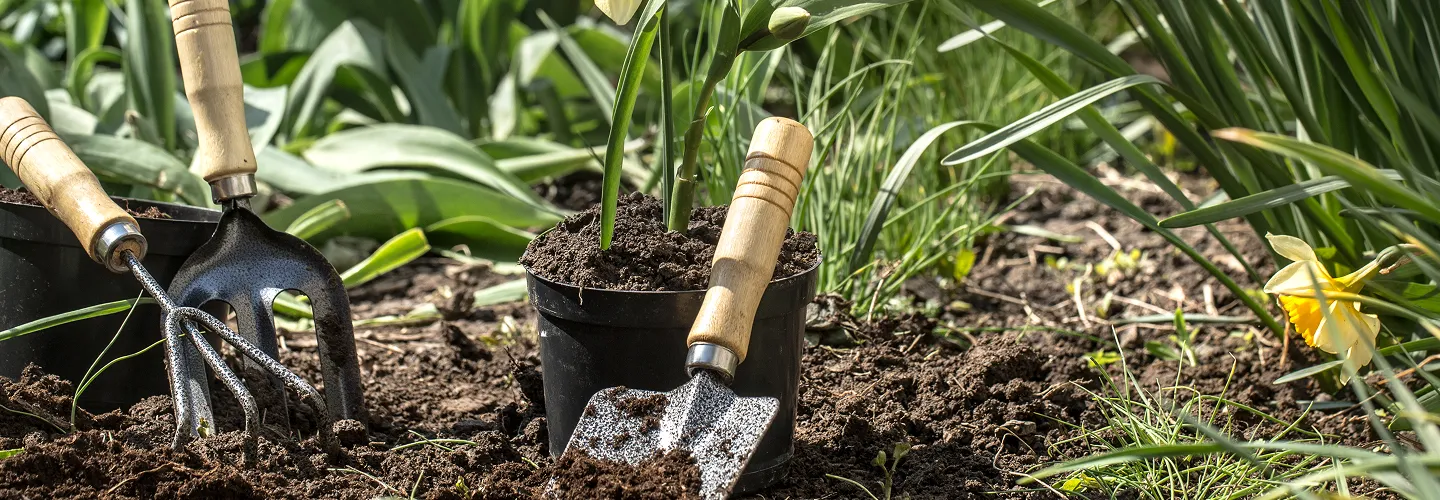
Sugar Land Lawn Installation Services
Choose our expert lawn installation for a seamless, hassle-free transformation—enjoy a vibrant, healthy yard that boosts your home's curb appeal and value, all backed by our commitment to quality and customer satisfaction.
Get a Free QuoteOur Sugar Land Landscaping & Yard Care Services
When to Schedule Lawn Installation in Sugar Land, Texas – Seasonal Guide
Choosing the right time for lawn installation in Sugar Land, Texas is crucial for achieving a lush, healthy yard that thrives year-round. Due to our region’s humid subtropical climate, the best periods for installing new sod or seeding are typically late spring and early fall. These seasons offer moderate temperatures and more consistent rainfall, which help new grass establish strong roots before the intense summer heat or occasional winter chills set in. Neighborhoods like Telfair and Riverstone, with their mix of sun and shade, benefit from careful timing to ensure optimal growth and resilience.
Local environmental factors play a significant role in determining the success of your lawn installation. Sugar Land’s clay-heavy soils, variable shade coverage from mature oaks in areas like Sugar Mill, and the risk of drought during late summer all influence the best installation window. It’s also important to consider municipal watering restrictions and the average last frost date, which typically falls in early March. For more information on local guidelines and resources, visit the official city website.
Local Factors to Consider for Lawn Installation in Sugar Land
- Tree density and shade coverage, especially in established neighborhoods
- Soil composition and drainage, with many areas featuring clay-rich soils
- Seasonal precipitation patterns and drought risk
- Terrain and slope, which can affect water retention
- Municipal watering restrictions and local ordinances
- Proximity to landmarks like Oyster Creek or Sugar Land Memorial Park, which may influence microclimates
Benefits of Lawn Installation in Sugar Land
Expert Landscaping Services
Premium Quality Sod
Fast and Efficient Installation
Customized Lawn Solutions
Enhanced Curb Appeal
Local Sugar Land Specialists
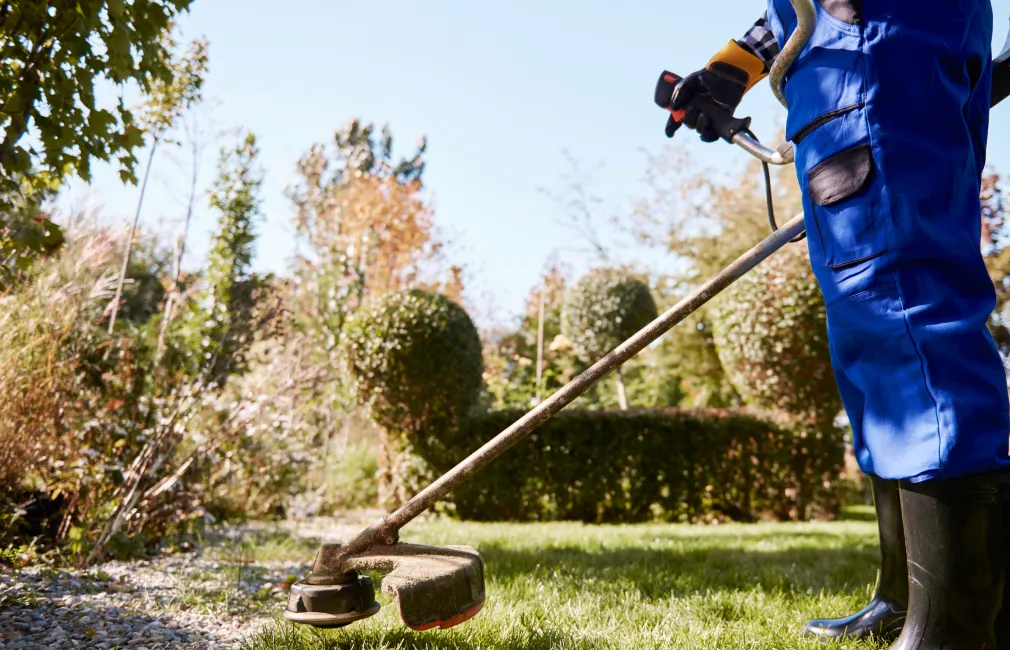
Sugar Land Lawn Installation Types

Sod Installation
-
Hydroseeding
-
Artificial Turf Installation
-
Zoysia Grass Installation
-
Bermuda Grass Installation
-
St. Augustine Grass Installation
-
Fescue Grass Installation
Our Lawn Installation Process
Site Evaluation
Soil Preparation
Lawn Installation
Watering and Initial Care
Why Choose Sugar Land Landscape Services
-
Sugar Land Homeowners Trust Us
-
Expert Lawn Maintenance
-
Reliable Scheduling
-
Competitive Pricing
-
Professional Team
-
Satisfaction Guarantee
-
Personalized Service
Sugar Land’s Blackland Prairie Soils: Site Preparation and Drainage for Lawn Installation
Lawn installation in Sugar Land requires careful consideration of the city’s predominant Houston Black and Katy clay soils, which are classified as Vertisols and Mollisols according to the USDA Web Soil Survey. These soils are known for their high clay content, pH ranging from 7.5 to 8.2, and poor drainage, leading to seasonal waterlogging and compaction. Proper site preparation should include:
- Deep tilling to 6-8 inches to break up compaction
- Incorporation of 2-3 inches of compost to improve structure
- Installation of surface grading to direct runoff away from structures
- Soil testing (available through Texas A&M AgriLife Extension) to determine amendment needs
Drainage solutions such as French drains or swales may be necessary in low-lying areas. Compliance with city stormwater management ordinances is required to prevent runoff into public rights-of-way.
Sugar Land Public Works Department
2700 Town Center Blvd N, Sugar Land, TX 77479
Phone: (281) 275-2450
Official Website: Sugar Land Public Works Department
Seasonal Timing and Climate Considerations for Lawn Installation in Sugar Land
Sugar Land is located in USDA Hardiness Zone 9a, with a long growing season and average last frost in early March. Optimal lawn installation windows are:
- Spring: March 1 – May 15 (soil temperature 65–75°F)
- Fall: September 1 – October 15 (soil temperature 70–80°F)
Avoid installation during peak summer (June–August) due to heat stress and high evapotranspiration rates. Monitor local weather forecasts through the National Weather Service Houston/Galveston Office for rainfall and temperature trends. Irrigation should be scheduled in accordance with city water conservation guidelines, and new sod or seed must be watered daily for the first 2–3 weeks, then gradually reduced.
Sugar Land Conservation Resources Program
2700 Town Center Blvd N, Sugar Land, TX 77479
Phone: (281) 275-2450
Official Website: Sugar Land Conservation Resources Program
Municipal Ordinances and Permit Requirements for Lawn Installation Projects
Lawn installation activities in Sugar Land must comply with local ordinances regarding equipment operation, construction permits, and property setbacks. Key requirements include:
- Equipment operation hours:
- Monday–Friday: 7:00 AM – 7:00 PM
- Saturday: 8:00 AM – 6:00 PM
- Sunday and holidays: Prohibited
- Permit required for grading or soil disturbance over 5,000 sq ft; application fee: $75; review time: 7–10 business days
- Maintain 25-foot buffer from wetlands and drainage ditches
- Sod or seed must not encroach on public sidewalks or easements
Permit applications and ordinance details are available through the city’s permitting office.
Sugar Land Permits and Inspections Department
2700 Town Center Blvd N, Sugar Land, TX 77479
Phone: (281) 275-2270
Official Website: Sugar Land Permits and Inspections Department
Environmental Compliance: Stormwater, Buffer Zones, and State Regulations
All lawn installation in Sugar Land must adhere to Texas Water Code and Clean Water Act requirements, including the city’s MS4 stormwater permit. Key compliance steps:
- Prohibit discharge of soil, sod, or fertilizer into storm drains
- Maintain a 25-foot no-disturbance buffer from wetlands and water bodies
- No fertilizer or pesticide application within 50 feet of streams or lakes
- Use erosion control measures (silt fence, straw wattles) during installation
The Texas Commission on Environmental Quality oversees state-level compliance, while the EPA Region 6 provides federal oversight. Soil and water testing is recommended before installation to ensure compliance with nutrient management standards.
Selecting Turfgrass Species and Materials Suited to Sugar Land’s Conditions
Selecting appropriate turfgrass is critical for long-term lawn health in Sugar Land’s climate and soil. Recommended species include:
- St. Augustinegrass (Stenotaphrum secundatum): Tolerates clay soils and shade
- Zoysiagrass (Zoysia japonica): Drought-tolerant, dense growth
- Bermudagrass (Cynodon dactylon): Full sun, high traffic tolerance
- Buffalograss (Bouteloua dactyloides): Native, low water needs
Sod should be installed within 24 hours of harvest; seed should be sown at 1–2 lbs per 1,000 sq ft. Soil amendments such as lime (for pH below 6.0) or sulfur (for pH above 7.5) may be necessary based on soil test results. Compost incorporation at 2–3 inches depth is recommended for all installations.
Texas A&M AgriLife Extension provides detailed turf selection and management guides for the region.
What Neighborhoods Do We Serve Throughout Sugar Land, TX?
- First Colony: Features mature landscaping and established clay soils, requiring thorough soil amendment and drainage planning for new lawns.
- Telfair: Newer development with compacted fill soils and large lot sizes; attention to grading and irrigation system design is essential.
- Sugar Mill: Proximity to Oyster Creek and floodplain areas necessitates strict adherence to buffer zone and stormwater management requirements.
- Greatwood: Large properties with heavy tree cover and shade; St. Augustinegrass is often preferred for its shade tolerance.
- Riverstone: Mixed soil conditions and HOA landscaping standards require careful species selection and compliance with community guidelines.
- New Territory: Urban density and smaller lots present access challenges and require precise equipment operation within ordinance hours.
- Avalon: High-value properties with ornamental landscaping; attention to soil pH and drainage is critical for successful lawn establishment.