
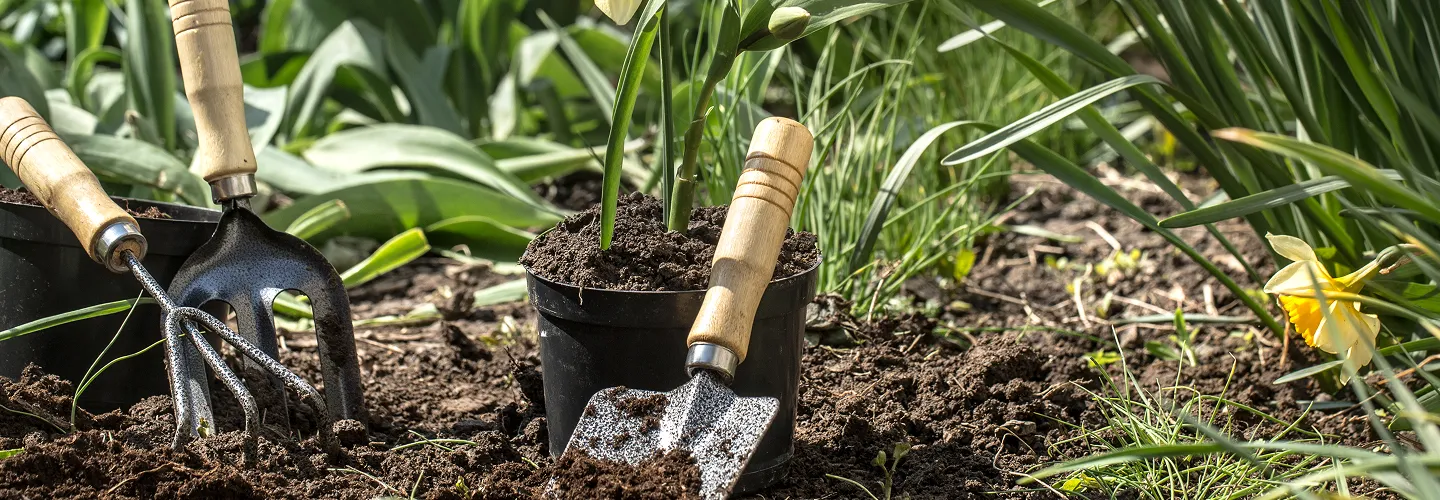
Sugar Land Weed Control Services
Choose our expert weed control services for reliable, long-lasting results that protect your lawn’s health and beauty—so you can enjoy a lush, worry-free yard all year round.
Get a Free QuoteOur Sugar Land Landscaping & Yard Care Services
When to Schedule Weed Control in Sugar Land, Texas – Seasonal Guide
In Sugar Land, Texas, the timing of weed control is crucial for maintaining healthy, vibrant landscapes. The region’s subtropical climate means that weeds can thrive nearly year-round, but the most effective weed management typically occurs in early spring and late fall. These periods align with the local frost dates—usually after mid-February and before late November—when weed seeds are most vulnerable and pre-emergent treatments are most effective. Neighborhoods like Telfair and Greatwood, with their mix of shaded yards and open green spaces, often see different weed pressures depending on microclimates and soil conditions.
Local environmental factors such as high humidity, periodic drought risk, and varying soil types—from clay-heavy soils in Riverstone to sandier patches near Oyster Creek—play a significant role in determining the best weed control schedule. Homeowners should also consider municipal guidelines and seasonal rainfall patterns, as these can impact both the timing and type of treatments allowed. For more information on local regulations and best practices, visit the official city resource.
Local Factors to Consider for Weed Control in Sugar Land
- Tree density and shade coverage, which affect weed growth cycles
- Soil type and drainage, influencing herbicide effectiveness
- Seasonal precipitation and drought risk
- Proximity to water features like Oyster Creek
- Municipal restrictions on chemical applications
- Terrain variations, such as sloped yards or low-lying areas
Benefits of Weed Control in Sugar Land

Enhanced Curb Appeal
Healthier Lawns and Gardens
Reduced Maintenance Time
Prevention of Invasive Species
Improved Soil Quality
Safe and Eco-Friendly Solutions

Sugar Land Weed Control Types

Pre-Emergent Weed Control
-
Post-Emergent Weed Control
-
Organic Weed Control
-
Selective Herbicide Application
-
Non-Selective Herbicide Application
-
Manual Weed Removal
-
Mulching for Weed Suppression
Our Weed Control Process
Site Evaluation
Weed Identification
Treatment Application
Follow-Up Inspection
Why Choose Sugar Land Landscape Services
-
Sugar Land Homeowners Trust Us
-
Expert Lawn Maintenance
-
Reliable Scheduling
-
Competitive Pricing
-
Professional Team
-
Satisfaction Guarantee
-
Personalized Service
Managing Weed Control in Sugar Land’s Expansive Clay Soils and Drainage Patterns
Sugar Land’s predominant soils, including Houston Black clay and Lake Charles clay, present unique challenges for weed control due to their high clay content, poor drainage, and alkaline pH (typically 7.5-8.2). These soils are prone to compaction, which can favor aggressive weed species such as dallisgrass and nutsedge. Effective weed management requires soil testing—available through Texas A&M AgriLife Extension—to determine pH and nutrient status. Recommended practices include:
- Core aeration to a depth of 2-3 inches every 2-3 years
- Incorporation of 2-3 inches of compost tilled to 6-inch depth
- Lime or sulfur amendments based on soil test results
- Avoiding overwatering to reduce weed-favoring wet conditions Research local soil series using the USDA Web Soil Survey for site-specific recommendations. Coordination with municipal infrastructure is essential for drainage improvements.
Sugar Land Public Works Department
2700 Town Center Blvd N, Sugar Land, TX 77479
Phone: (281) 275-2450
Official Website: Sugar Land Public Works Department
Seasonal Timing and Weather Considerations for Weed Control in Sugar Land
Sugar Land’s climate, classified as USDA Hardiness Zone 9a, features hot, humid summers and mild winters, which influence weed germination and control timing. Pre-emergent herbicides should be applied in late February to early March, when soil temperatures reach 55°F, to target annual grassy weeds. Post-emergent treatments are most effective from April through June, before temperatures exceed 90°F. Monitor local weather forecasts through the National Weather Service Houston/Galveston Office to avoid applications before heavy rainfall, which can cause runoff and reduce efficacy. Key timing guidelines include:
- Pre-emergent: February 20 – March 10 (soil temp 55°F)
- Post-emergent: April 1 – June 15 (avoid >90°F days)
- Avoid applications during drought or saturated soil conditions
- Reapply as needed in September for fall-germinating weeds Proper timing reduces chemical use and environmental impact.
Sugar Land Municipal Ordinances and Equipment Operation Standards for Weed Control
Weed control activities in Sugar Land are governed by city ordinances that regulate equipment operation hours and chemical application. According to municipal code, powered equipment may be operated:
- Monday-Friday: 7:00 AM – 7:00 PM
- Saturday: 8:00 AM – 6:00 PM
- Sunday and holidays: Prohibited Operators must use commercial-grade equipment with functioning mufflers, and noise levels should not exceed 85 decibels at property lines. All chemical applications must comply with buffer requirements: maintain a 25-foot no-application zone from wetlands and storm drains. Proper disposal of yard waste is required; collection occurs every Thursday, April through November, using biodegradable bags or 32-gallon bins. Violations may result in fines or service suspension.
Sugar Land Permits and Inspections Department
2700 Town Center Blvd N, Sugar Land, TX 77479
Phone: (281) 275-2270
Official Website: Sugar Land Permits and Inspections Department
Environmental Compliance: Protecting Sugar Land’s Waterways and Wetlands During Weed Control
Weed control in Sugar Land must comply with the Texas Water Code and the Clean Water Act, which prohibit discharge of chemicals and yard waste into stormwater systems. The city’s MS4 permit, regulated by the Texas Commission on Environmental Quality, requires:
- No herbicide or fertilizer application within 50 feet of water bodies
- 25-foot no-disturbance buffer from wetlands
- Immediate cleanup of spills or debris near storm drains
- Use of integrated pest management (IPM) to minimize chemical use
- Proper storage and labeling of all products Sugar Land’s Conservation Resources Program provides guidance on best practices for environmental protection.
Sugar Land Conservation Resources Program
2700 Town Center Blvd N, Sugar Land, TX 77479
Phone: (281) 275-2450
Official Website: Sugar Land Conservation Resources Program
Texas Commission on Environmental Quality
12100 Park 35 Circle, Austin, TX 78753
Phone: (512) 239-1000
Official Website: Texas Commission on Environmental Quality
What Neighborhoods Do We Serve Throughout Sugar Land, TX?
- First Colony: Features mature landscaping and heavy clay soils, requiring frequent aeration and careful drainage management to prevent weed proliferation in compacted areas.
- Telfair: Newer development with engineered soils and efficient drainage, but rapid turf establishment can lead to early weed outbreaks if not managed with timely pre-emergent applications.
- Sugar Mill: Historic district with older lots, variable soil compaction, and proximity to Oyster Creek, necessitating strict buffer compliance and careful chemical use near water bodies.
- Riverstone: Large lots with mixed soil types and extensive greenbelts; HOA guidelines may impose additional restrictions on herbicide use and equipment operation hours.
- Greatwood: Located near floodplain areas, requiring special attention to runoff prevention and adherence to wetland buffer regulations during weed control activities.
- New Territory: Dense residential development with moderate tree cover and compacted soils, making mechanical weed removal and soil amendment especially important.
- Avalon: Features ornamental landscaping and strict HOA standards, requiring precise timing and approved products for weed management to maintain community aesthetics.